
Watershed Restoration
& Improvement Program
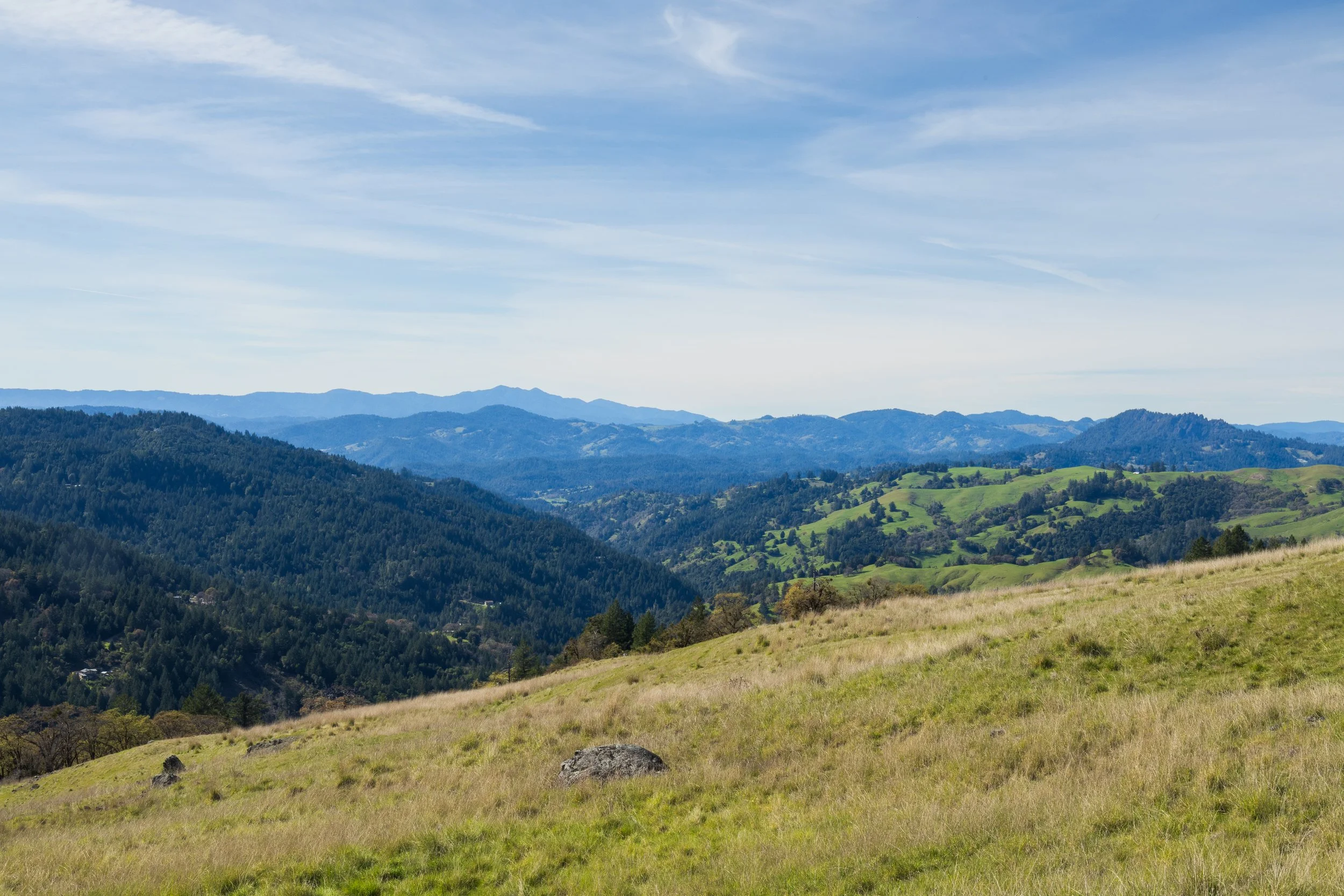
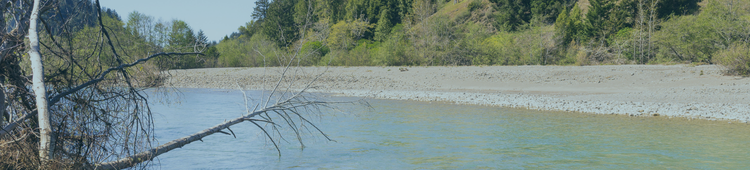
We restore watersheds by keeping soil on the land and out of rivers and streams. From repairing failing road networks to stabilizing eroding slopes, our work protects salmon-bearing streams, wetlands, and estuaries, while safeguarding drinking water sources for communities and supporting the fisheries and wildlife that depend on healthy watersheds. Across Northern California watersheds, these efforts build resilience for both people and ecosystems.
Project Spotlight
💧
Project Spotlight 💧
Sediment Reduction Project
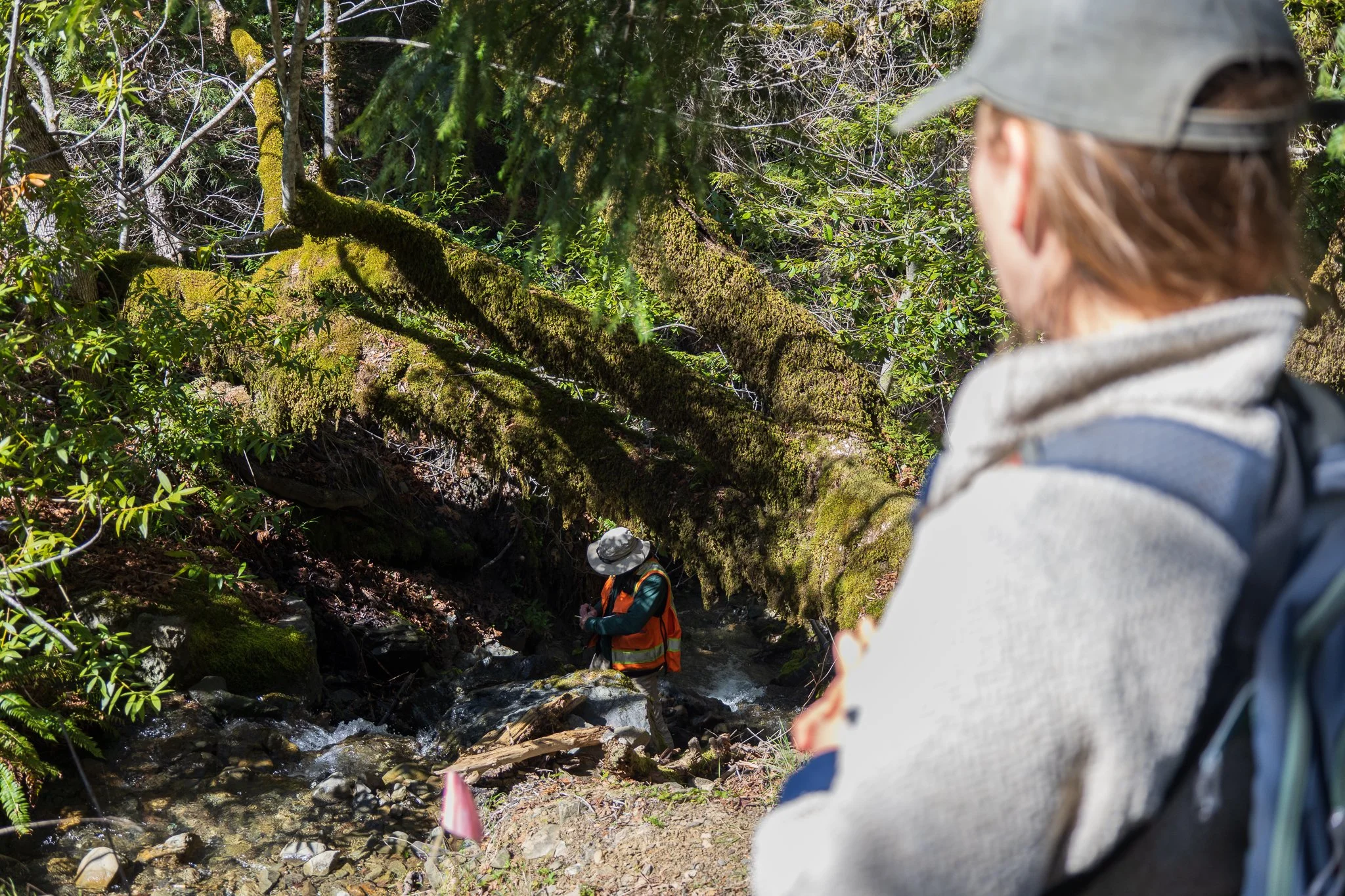
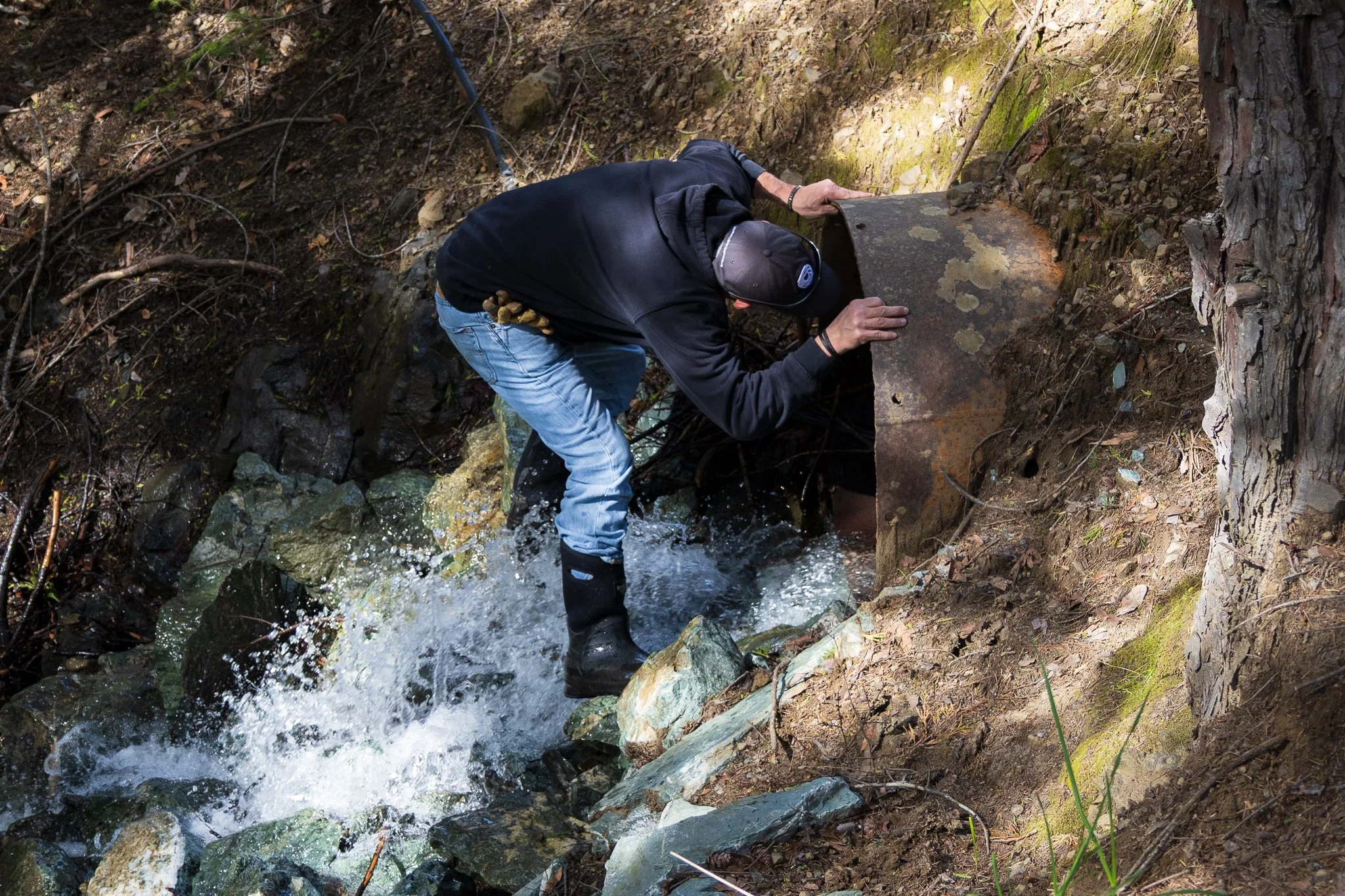
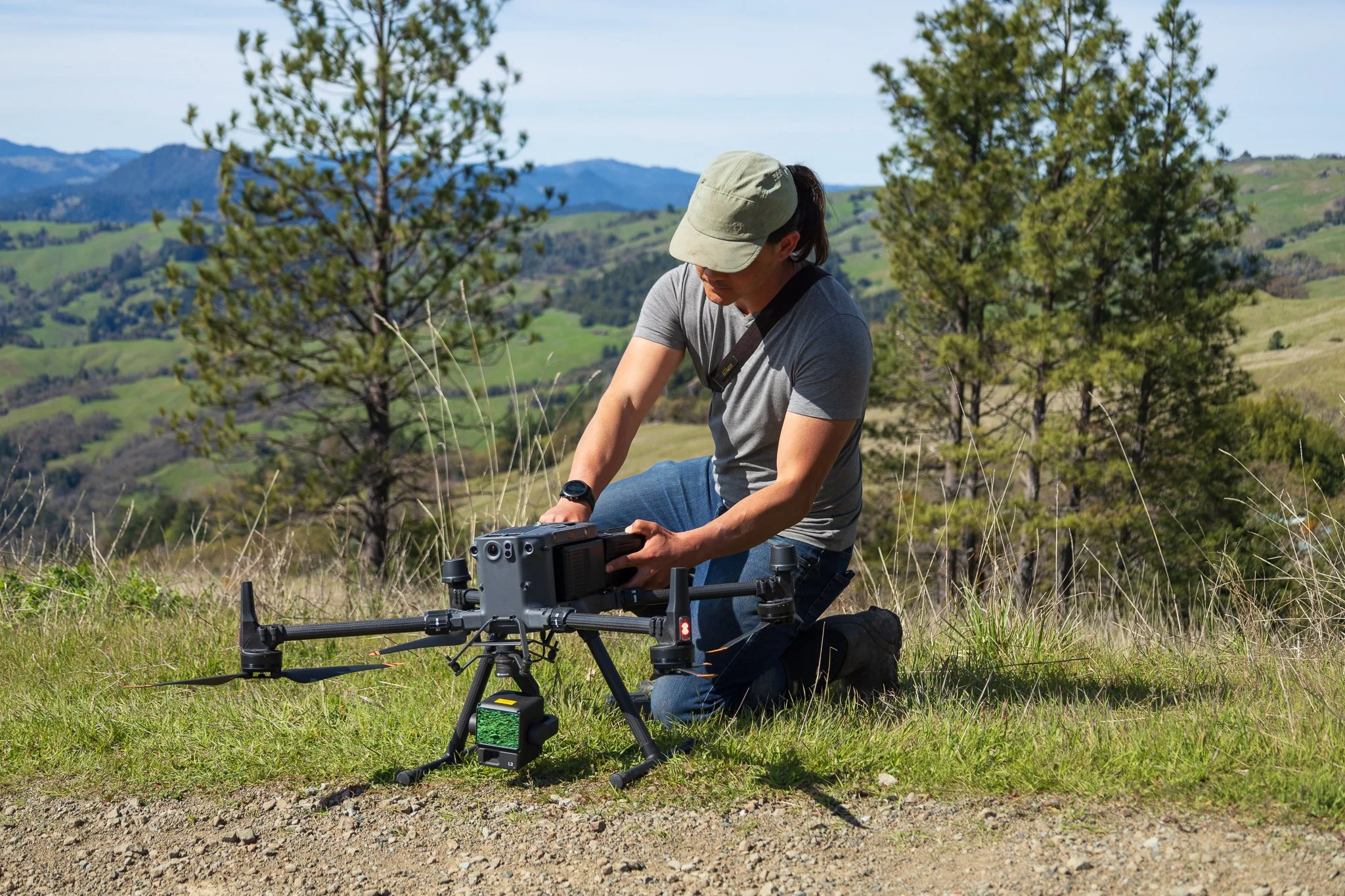
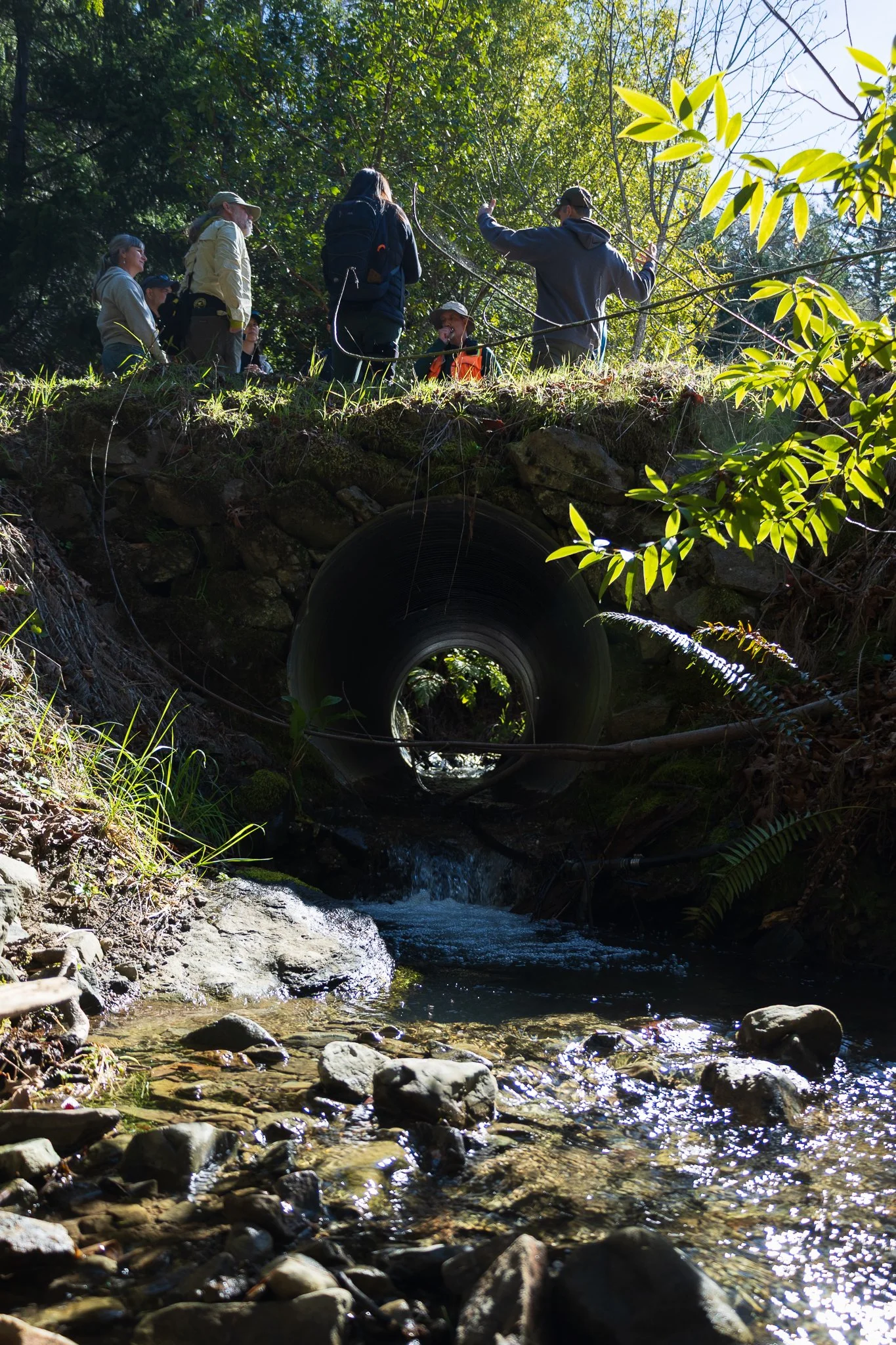
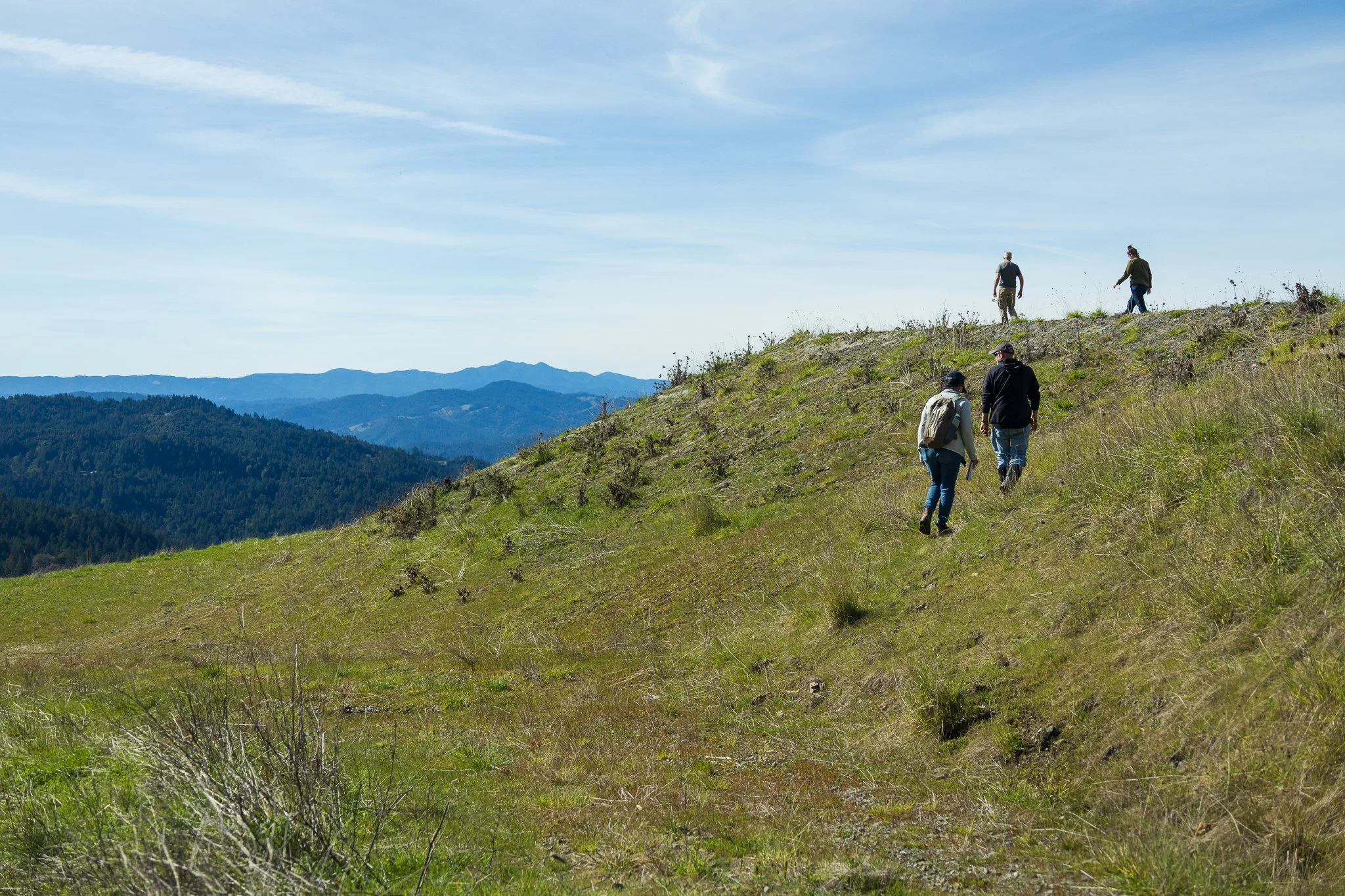
When rural roads and slopes erode, tons of fine sediment are carried into rivers and creeks. Sediment degrades habitats for salmon and amphibians, and reduces water quality for people and wildlife alike.
By teaming up with cultivators, restoration experts, and community partners, we’re fixing the root causes of sediment pollution. From stabilizing slopes and re-vegetating bare soil, to upgrading culverts and hydrologically disconnecting roads, our goal is to keep soil where it belongs—on the land—and restore clean, cold water flows for fish, farms, and rural communities.
This project is funded by the California Department of Fish & Wildlife’s Cannabis Restoration Grant Program, which supports the restoration of streams and other species habitat on the properties of willing landowners.
Forest Health
& Wildfire Resilience Program
Healthy, well-managed forests are a critical defense against catastrophic wildfire. We work with timberland owners, ranchers, and cultivators to thin overstocked stands, restore native species, and create fire-resilient landscapes. These practices protect rural homes and communities, improve wildlife habitat, and build the climate adaptation strategies our region urgently needs.
Project Spotlight
🔥
Project Spotlight 🔥
Wildfire Resilience on Northern California Cannabis Farms
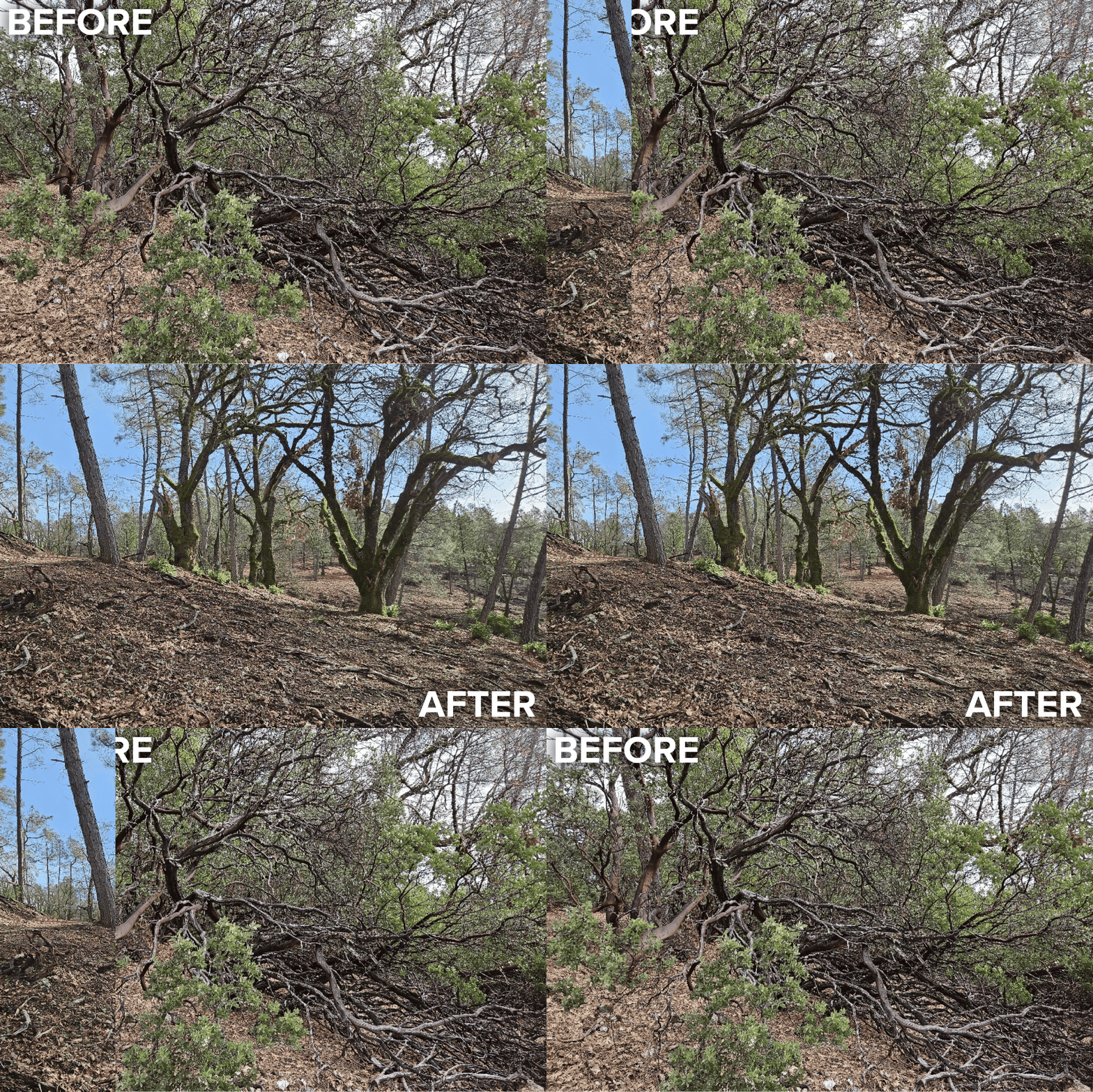
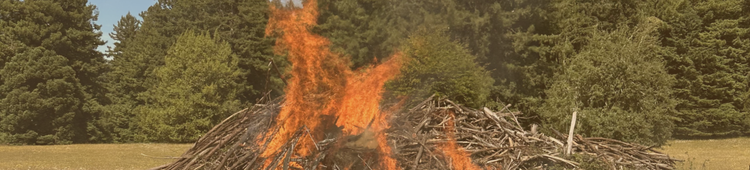
This Wildfire Resilience on Northern California Cannabis Farms Project, funded by the Department of Forestry and Fire Protection Wildfire Resilience Forest Stewardship Grant, seeks to address the increasing threat of wildfire on cannabis farms with forest landholdings in Humboldt and Trinity Counties. Properties included in this project will consist largely of areas where historic logging resulted in what is now second-growth Douglas fir forest with high densities of trees and understory vegetation, making these farms and the surrounding forests susceptible to high-intensity wildfire.
This project will build the capacity of small cannabis farmers to manage their forested lands for wildfire resilience by providing technical expertise in developing site-specific forest management plans that will include forest thinning, fuels reduction, understory vegetation management, prescribed fire, removal of encroaching vegetation in grasslands and oak woodlands, and biomass utilization.
Wildlife Conservation
& Habitat Restoration Program
From native pollinators to bats and birds, biodiversity underpins healthy landscapes. We conduct wildlife research in working landscapes that inform management and conservation priorities, as well as design and implement habitat enhancements that support species recovery, improve ecosystem function, and increase resilience across working lands. Our current projects include rare pollinator research, invasive aquatic species management, and native habitat restoration that benefits both ecosystems and land stewards.
Project Spotlight
🌱
Project Spotlight 🌱
Wildlife Conscious Certification
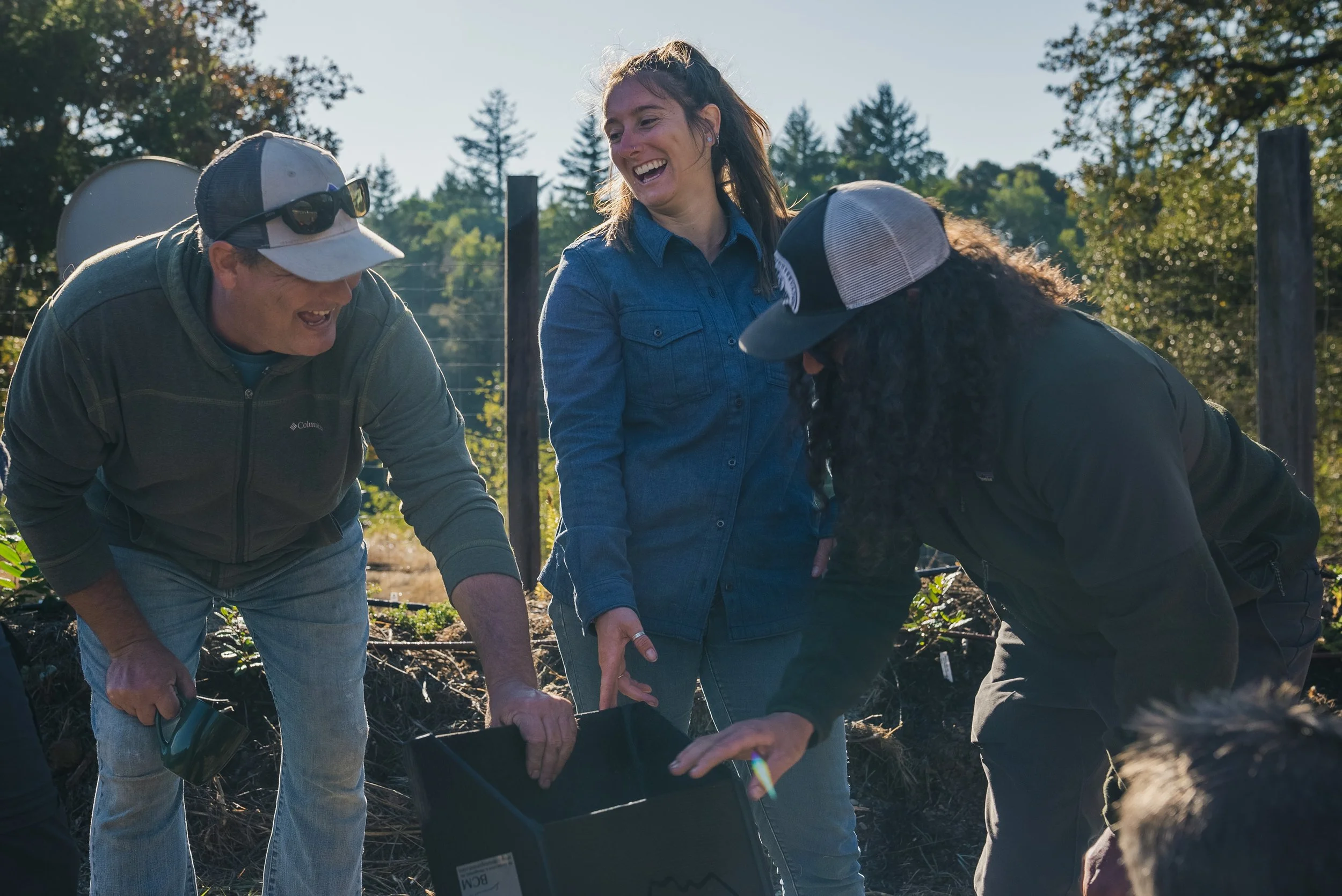
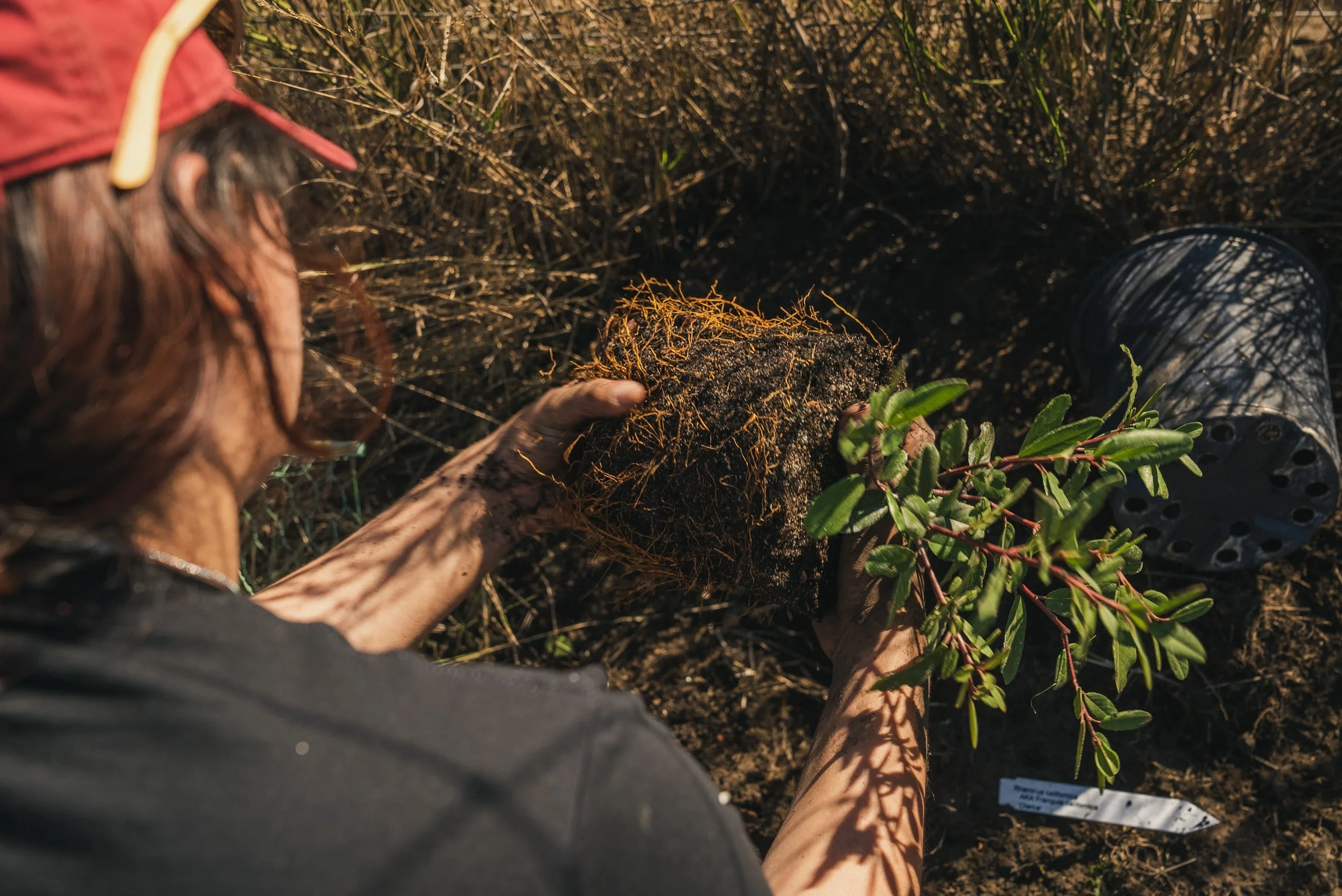
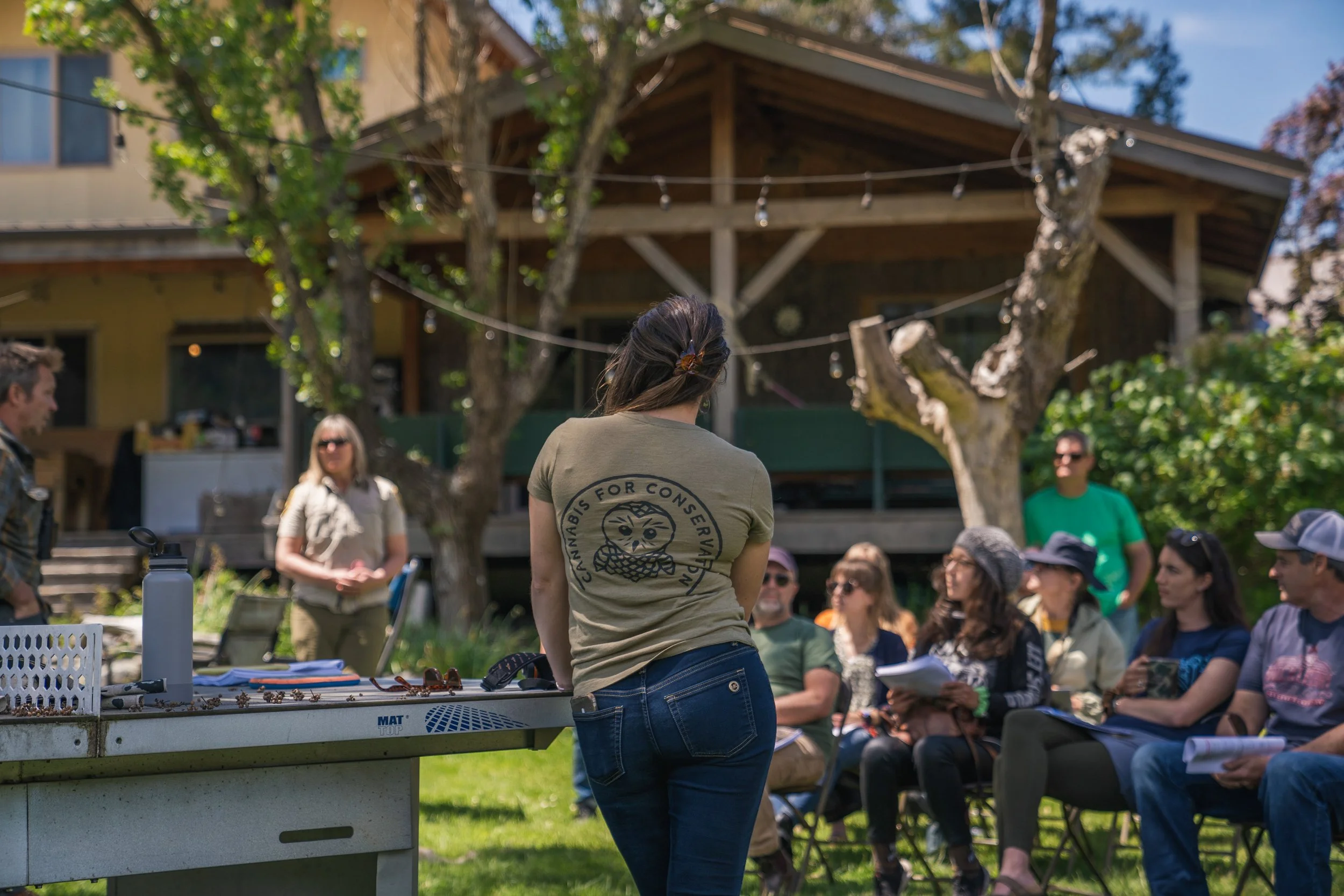
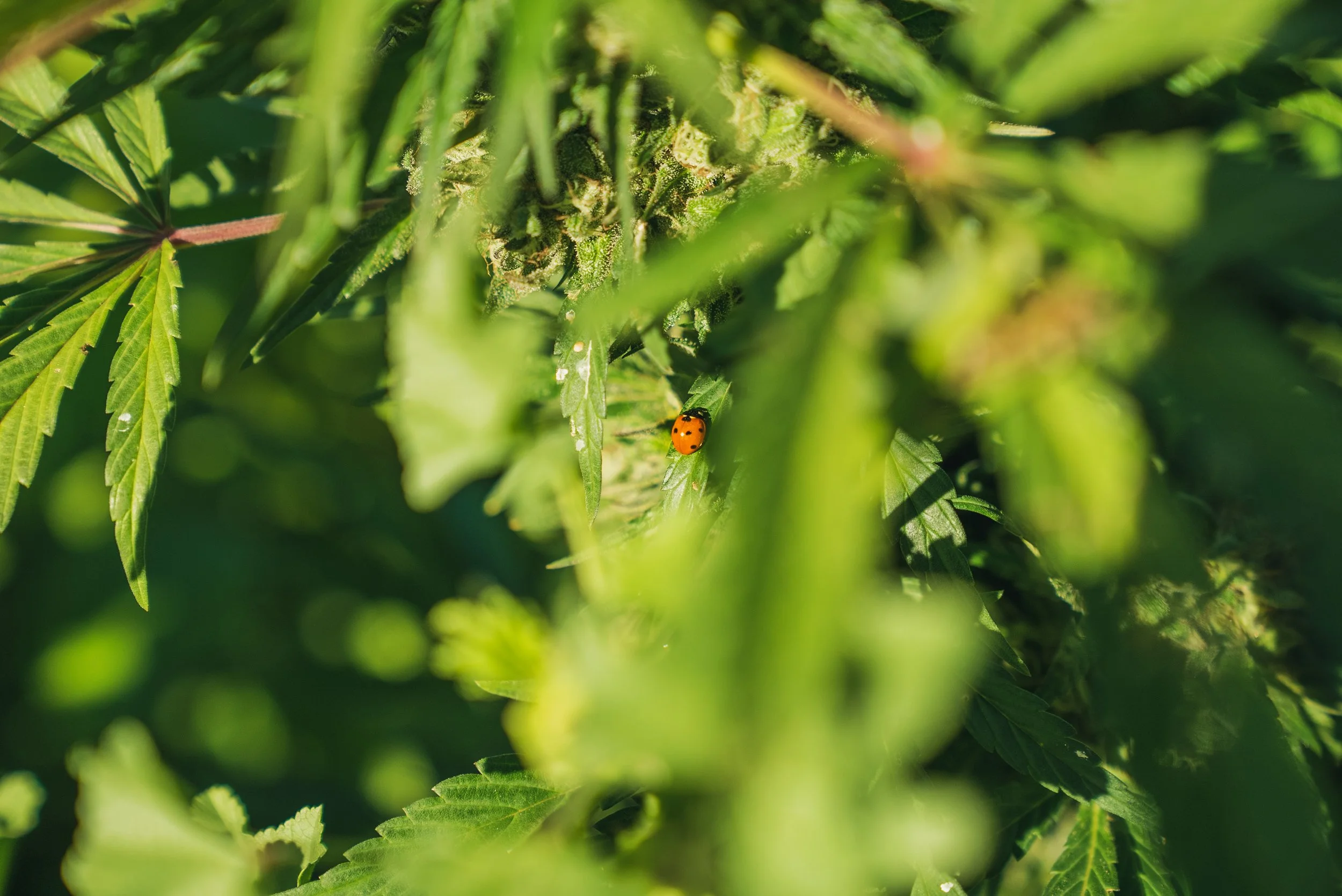
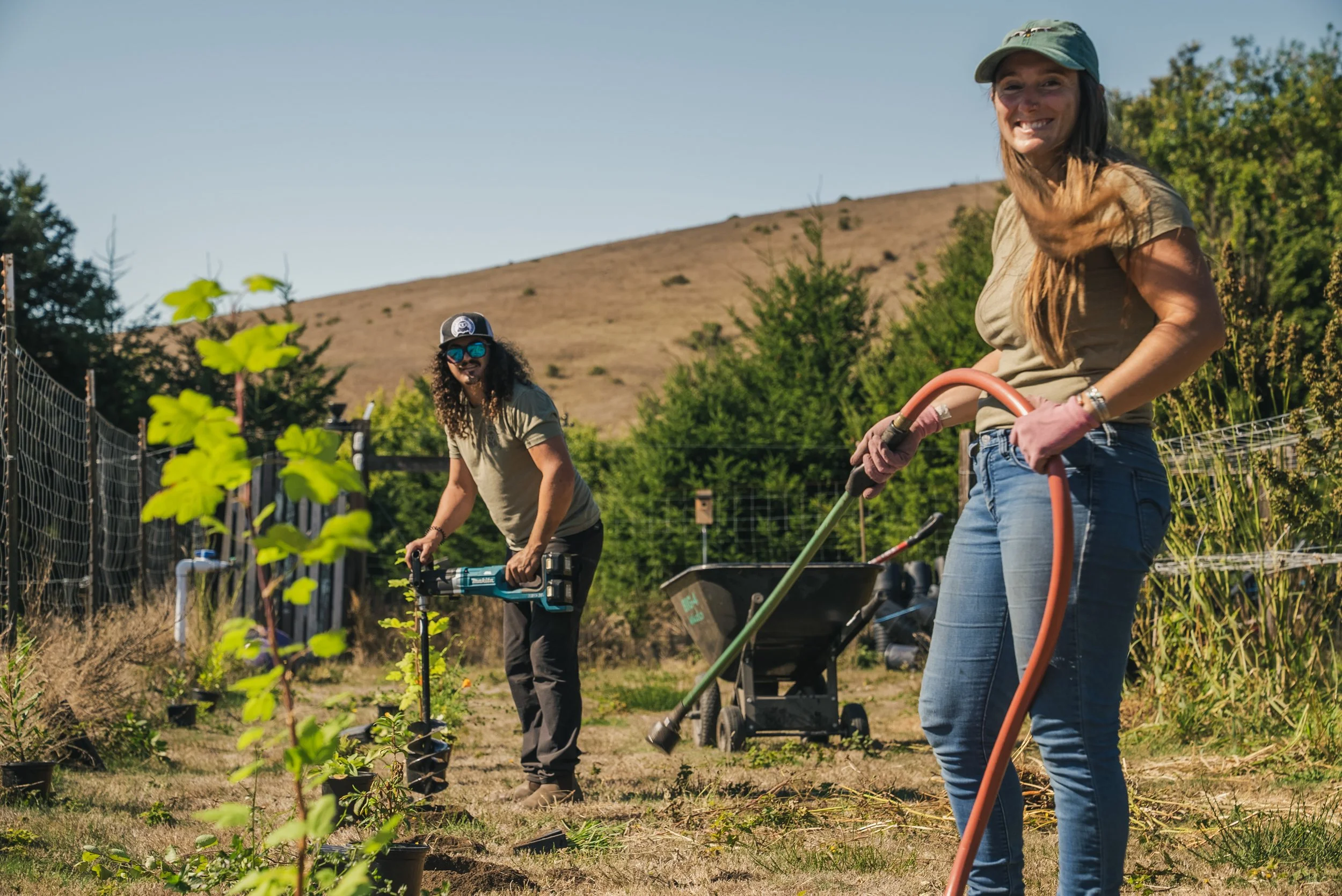
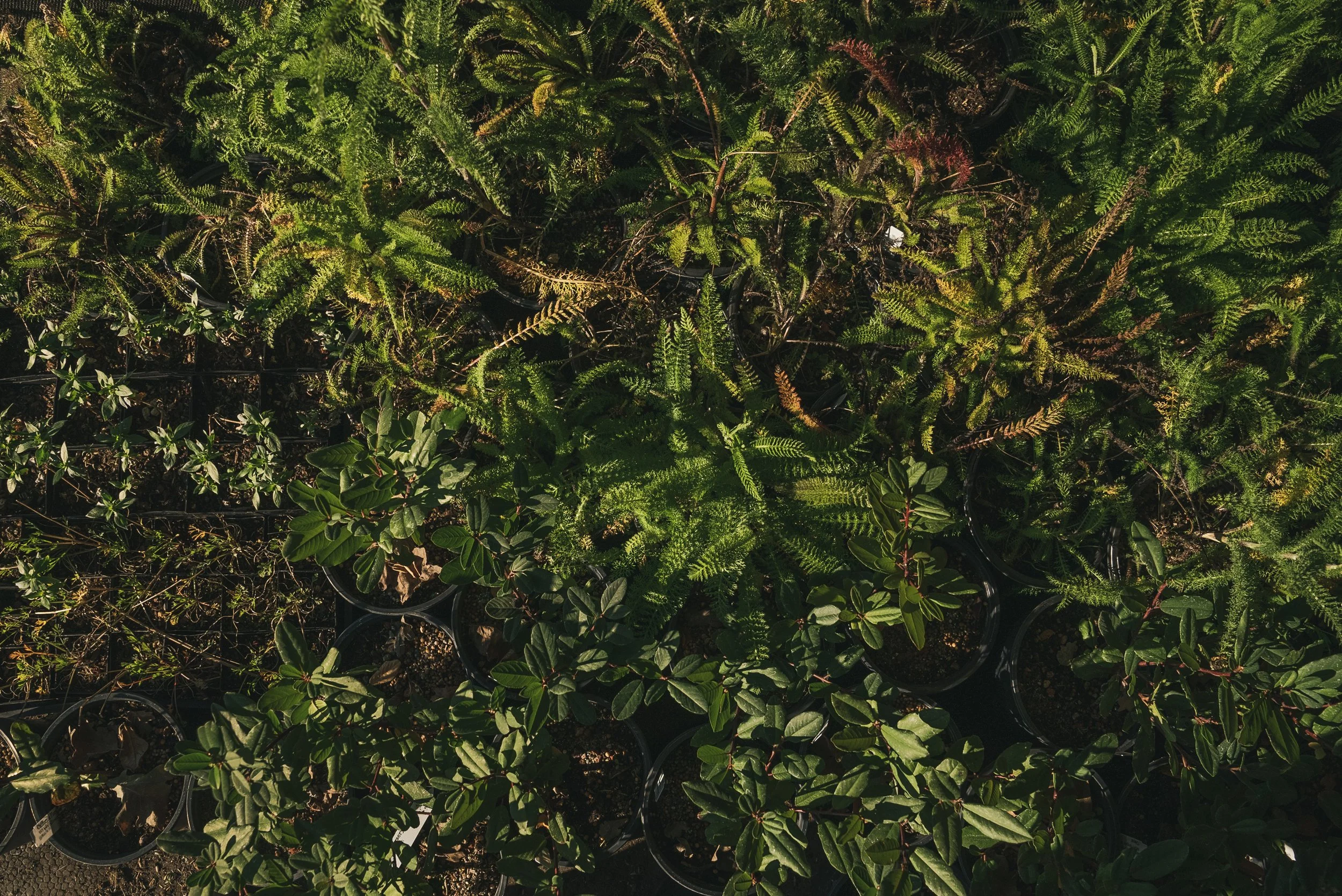
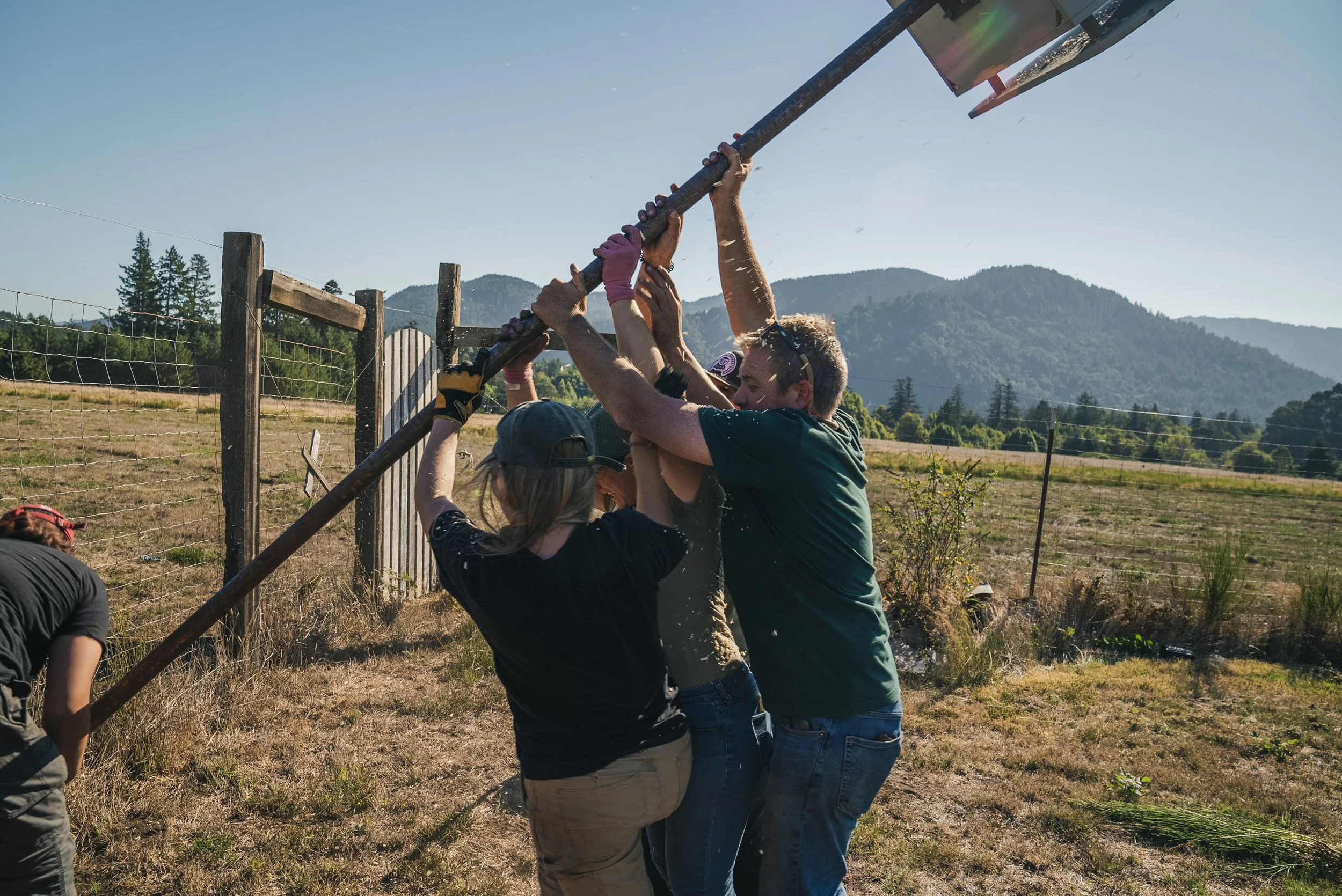
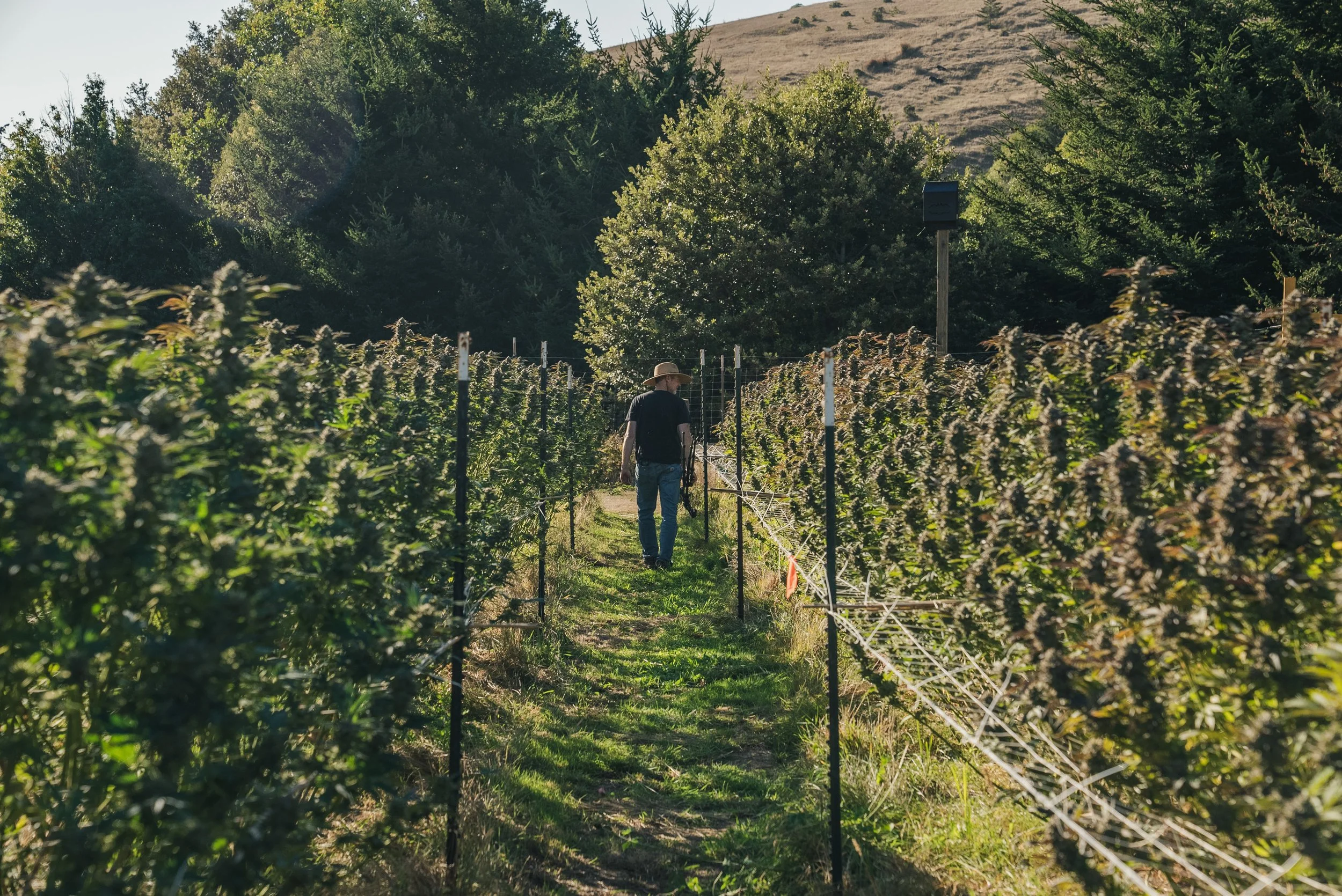
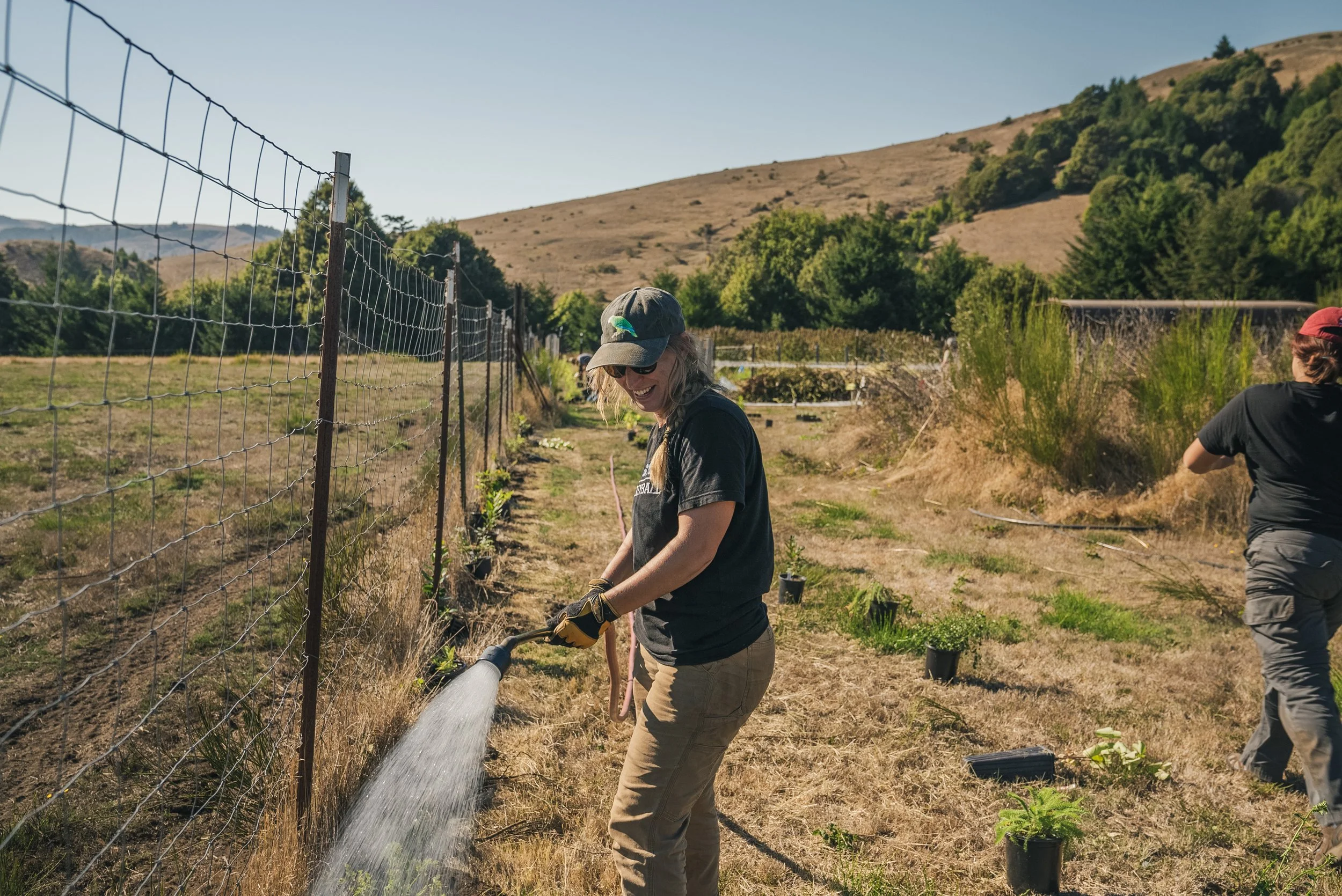
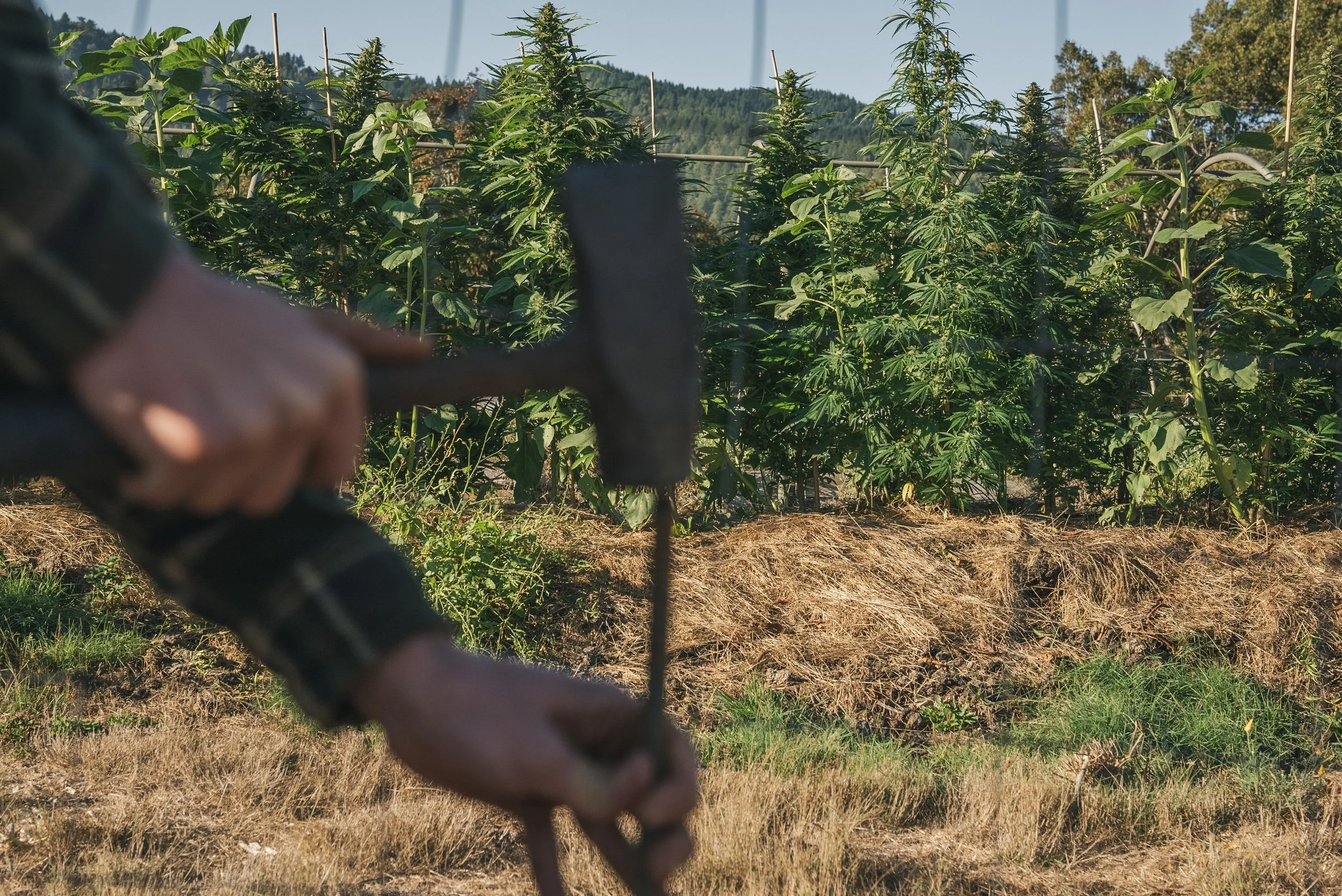
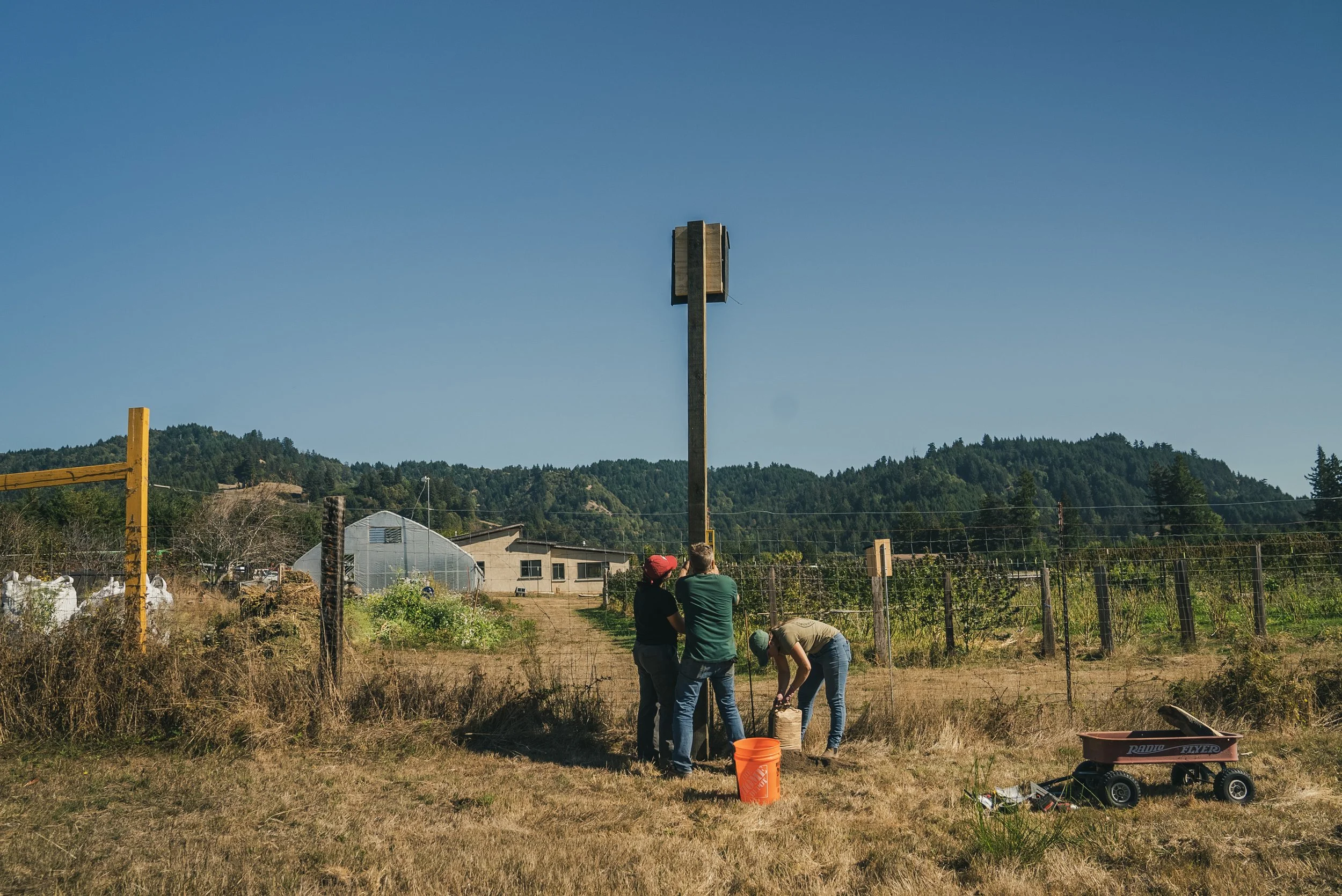
The Wildlife Conscious Certification is a collaboration between CFC, California Department of Fish & Wildlife (CDFW), Cal Poly Humboldt, UC Berkeley Cannabis Research Center, International Cannabis Farmers Association, Mattole Valley Sungrown, Sunrise Mountain Farms, Huckleberry Hill Farms, East Mill Creek Farms, Elytra Farms, Emerald Queen Farms, and Swami Select. The WCC implements habitat enhancements, restoration, and removal of invasive species, among other applied conservation practices to promote native biodiversity on regional cannabis farms. The certification standards are scientifically robust, evidence-based, and adaptive with new data.
WCC was awarded a grant from CDFW’s Cannabis Restoration Grant Program Watershed Remediation and Enhancement Fund to implement the pilot program over 18 months, from Spring 2022 - Winter 2023. This program builds off of existing CA regulations for cultivation, and will serve as the gold standard for wildlife conservation on farms.
Our work is supported through competitive project grants from state agencies including the California Department of Fish & Wildlife, CAL FIRE, the State Water Resources Control Board, and philanthropic partners.